A quiet run
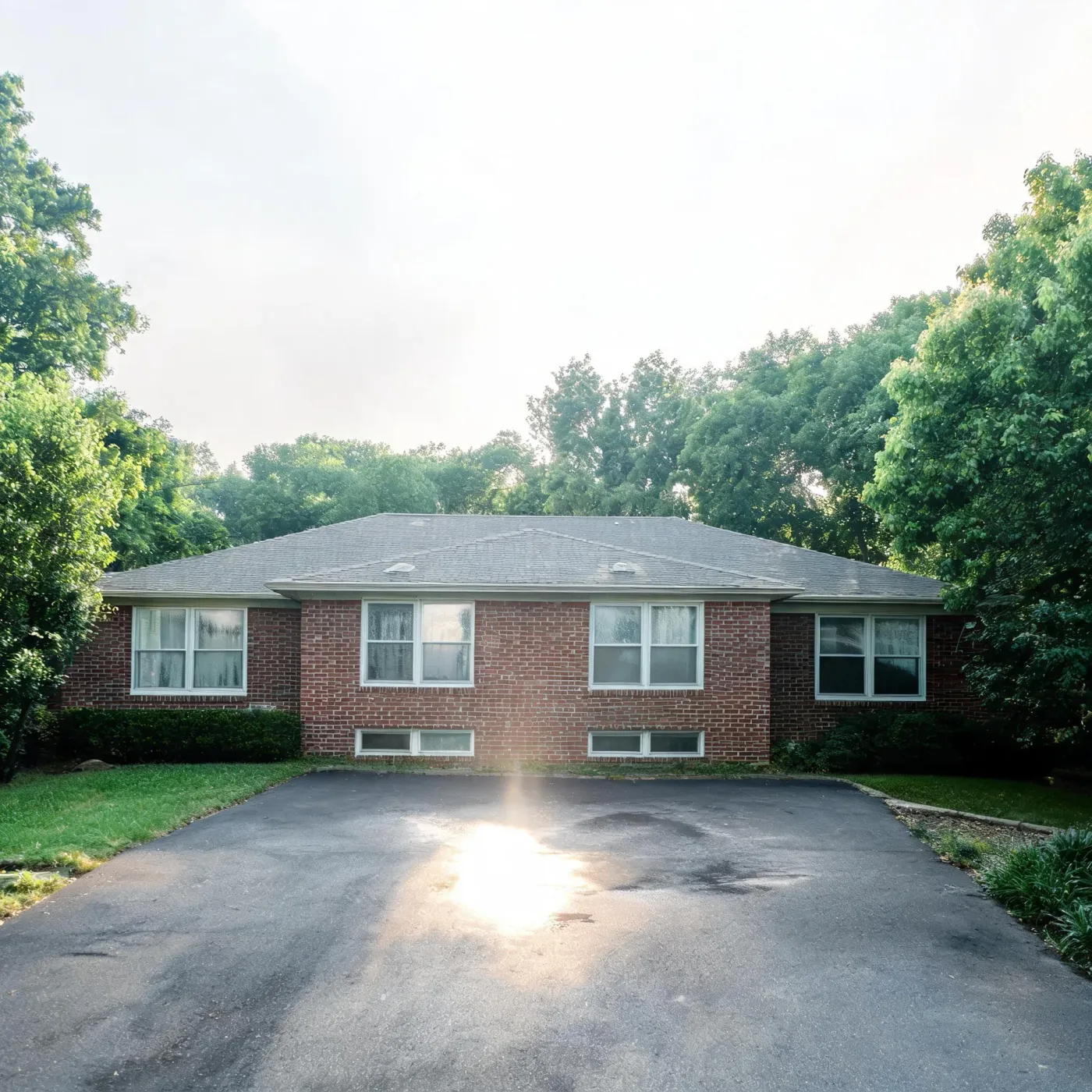
This unit sits clean against the house, fan turning steady, no rattle at the panel. Nothing loose, nothing dragging on the blades. A unit kept clear of grass clippings and pollen tends to run like this most of the summer.

One request and it's handed off
A buzzing AC can mean a loose part, a failing capacitor, or a compressor working harder than it should in the heat. Some causes are minor. Others can leave you without cooling in the middle of an Arkansas summer. This page goes through what the sound usually means and what to check before it gets worse. Skip the search through reviews and phone calls: send the form and let a contractor come to you.
Hand off my repairA buzzing sound from your outdoor unit usually points to something loose or something electrical. Loose screws, a panel that has worked itself free, or debris caught in the fan can all make a buzz. So can a failing capacitor, the part that gives the compressor and fan motor the jolt they need to start. When a capacitor weakens, the motor hums and strains instead of starting clean, and that strain shows up on your power bill even before the unit quits. Arkansas summers push these units hard for months at a stretch, and a system that runs nearly nonstop has less room to limp along on a bad part. A buzz that shows up only sometimes can turn into a unit that will not start at all. Either way, the sound means something is already wrong, not something about to go wrong.




A capacitor that is starting to fail still lets the unit run, so the buzz can show up weeks before the system quits cooling altogether.
Once it goes fully bad, the compressor can't start on its own, and a sound you could have had looked at turns into no cooling at all.


A buzzing outdoor unit in July doesn't wait for a convenient week. If the capacitor is what's failing, the compressor can stop starting on its own, and the whole system stops cooling on the one day you need it most. In Arkansas that means a muggy house with the windows shut and nowhere for the heat to go. The electric bill tells you something too. A unit straining against a loose part or a weak capacitor pulls more power to do the same job, and that shows up on the next bill whether or not the AC ever fully quits.
You don't need to diagnose the sound yourself to know it's worth acting on. A loose panel or a bit of debris in the fan is a simple fix if someone gets to it early. Left alone, the vibration can work other parts loose or wear on the fan motor itself. Instead of calling around to find someone licensed, explaining the buzz over and over, and sorting through quotes on your own evenings, you send one form and that search becomes someone else's job. What's left for you is the actual repair, not the work of finding who does it.



This unit sits clean against the house, fan turning steady, no rattle at the panel. Nothing loose, nothing dragging on the blades. A unit kept clear of grass clippings and pollen tends to run like this most of the summer.

Grime has built up across the fins and the casing shows years of weather. Lines still run into the wall, power still reaches it, but a buzz like this often means a part inside is wearing out, not just dirt on the surface.
The capacitor sends a jolt of current to start the compressor.
A weakening capacitor delivers less charge each time it fires.
The compressor motor strains and hums trying to start anyway.
Loose screws or panels vibrate against the cabinet as the fan spins.
At 12.87 cents per kilowatt-hour, running your AC hard against a strained compressor shows up fast on the bill. A capacitor working overtime to start that motor pulls more than a healthy one, so the buzz is already costing you before the unit quits.
EIA-861 2025 statewide residential average

The sun is low behind the trees and the air is still thick from the day. You're out back after dinner, and that's when you hear it, a buzz coming from the condenser instead of the steady hum you're used to. You walk over and see the fan sitting still while the unit keeps buzzing, that low electrical drone. The grass around the pad is dry, the light going gold and soft. You crouch down and look at the side panel, listening, trying to decide if this is something you can wait on or something that quits on you tonight.
Describe your air conditioner job once, to one pro.
Asking costs nothing, and the choice to hire stays yours.
Buzzing comes from a handful of places inside that outdoor cabinet, and each one sounds slightly different once you know what to listen for. The contactor is a small switch that closes to send power to the compressor and fan every time the unit cycles on. When its contacts wear down, that clean click turns into a buzz, usually loudest right when the system starts up. A fan blade that's bent or knocked out of balance will tick or buzz against the shroud with every rotation instead of turning free and quiet. Refrigerant lines run tight through that cabinet, and if one has worked its way against the housing or a nearby wall, it can hum right along with the compressor. Grass clippings, pollen, or cottonwood fluff packed into the coil fins force the fan to work harder to pull air through, and that strain shows up as a buzz rather than the usual steady hum. There's also a transformer inside the unit that steps voltage down for the controls, and if the power coming into your house isn't steady, that transformer can buzz on its own even when every other part is fine. None of these sound the same to a practiced ear, and none of them get better by running the unit longer. A contractor who's heard all six knows which one you've got before the panel comes off.


You've already got a screwdriver in hand and you're standing at the unit, trying to figure out if this is something you can just handle tonight before it gets worse. The panel looks loose, and tightening a few screws seems simple enough. It's worth knowing what that fix actually covers, and what it doesn't.
If the buzz is coming from a loose access panel, tightening the screws can quiet it down right away. That part is fine to do yourself with the power off. But a buzz with the fan not spinning, or one that comes with the unit struggling to start, usually means the capacitor is weak, and no amount of tightening fixes that. Opening the electrical side of the unit means working near a capacitor that holds a charge even with the power off, which is why that part gets left to a contractor. Tighten the panel if it's loose. If the buzz keeps up after that, something electrical is doing it.
Across June, July and August, the dew point in Arkansas averages 68°F, according to NOAA climate data. That's thick, sticky air, the kind that sits on you the second you step outside. Your air conditioner has to pull more moisture out of that air to make the house feel right, not just cool it down. That's extra work on the compressor every single cycle, all summer. A unit already buzzing from a loose part or a weak capacitor doesn't get a break from this. The strain just keeps stacking up, cycle after cycle, with no dry stretch to rest the system.
NASA POWER T2MDEW county cells weighted by homes

The sound itself told you most of what you need to know. Something at the outdoor unit is loose, or the capacitor that starts the compressor is wearing down, or a fan blade is dragging where it shouldn't. None of those get better by waiting through another hot week. A contractor who checks the unit can tell you which one it is and whether it still runs today or needs the part replaced before it quits on you.
What you don't have to do is spend your evening on it. No calling three companies to see who even answers, no explaining the buzz over again to each one, no sitting with a stack of quotes trying to guess which contractor is worth the call. You heard it, you know it's worth looking at, and the rest of that work is what sending the form takes off your plate. The unit still needs someone out to it. Finding that someone is the part you're done with.


Fill out one short form instead of calling around.