
The R-410A phase-out and new AC units in Arkansas
R-410A, the refrigerant almost every central air conditioner made in the last twenty years uses, is being phased out under federal rules. Manufacturers stopped making new R-410A equipment at the start of 2025. The newer systems sold now run on R-454B or similar refrigerants that carry less risk to the atmosphere. If your air conditioner already runs on R-410A, nothing about it changes today. It will keep working and a contractor can still service it, since the refrigerant itself isn't banned from homes, only from new equipment. The catch comes if it ever needs a major repair or a recharge years from now, when R-410A may cost more or be harder to find. For a lot of Arkansas homeowners, especially with how hard these units work through the summer here, that's the point where replacing the whole system instead of patching an old one starts to make more sense.


Running an R-410A system right now isn't a problem. The phase-out stops new equipment from being built, not the units already cooling houses across Arkansas. A technician can still charge and repair yours. What changes is the refrigerant supply behind it. Less gets made, so it costs more to buy and takes more effort to find over time. The equipment sold today runs on R-454B instead, which carries a mild flammability rating. That's why installers handle and store it differently and why the systems built for it aren't the same hardware as before. The coils, the line sets, the compressor, all of it is built around R-454B's pressure. None of that swaps into an old R-410A unit. So if your outdoor unit fails for good or develops a leak that's not worth chasing, the replacement will run on the new refrigerant, because that's what's being made now. One thing worth knowing: pairing a new outdoor unit with an old indoor coil doesn't work. The system needs both sides matched to run the way it's supposed to.
What the R-410A Phase-Out Changes
- Your old R-410A system isn't illegal to run or repair, since the phase-out stops new production, not existing equipment.
- A technician can still service an R-410A unit, but the refrigerant itself gets harder to find and costs more as supply shrinks.
- New units sold now hold R-454B, a refrigerant rated mildly flammable, which is why installers handle and store it differently than R-410A.
- R-454B systems use different line sets, coils and compressors built for that refrigerant's pressure, so you can't just swap gas into an old unit.
- If your outdoor unit leaks or fails for good, replacing it means moving to the new refrigerant since no new R-410A equipment is made.
- A mismatched system, an old indoor coil paired with a new outdoor unit, won't run right and may not run at all.


What an Aging System Costs You
- A failed compressor on an older R-410A system can cost more to recharge than to replace outright once refrigerant prices climb.
- If your outdoor unit is more than a decade old, a repair bill now might be throwing money at a system near its end anyway.
- A new system matched to your house size runs through an Arkansas summer without the strain an aging unit puts on itself.
- Waiting until the compressor fails in July means days without cooling while you scramble, instead of planning the swap on your own schedule.
- Electric rates here are low, but a system losing efficiency as it ages still pulls more power to do the same job.
- Replacing before a breakdown means you choose the system and the timing, not the weather and a dead unit.
An R-410A system still running fine today is not the problem. The problem shows up the day a part fails and the shop has to track down refrigerant that is getting scarcer and pricier every year. That bill lands on top of the repair itself, and on an older unit it can tip the math toward replacing instead of fixing. A compressor is usually the one that decides this. It is the most expensive part in the system, and on a unit already past ten years old, paying to recharge and repair it can cost close to what a new system would run.
There is also the question of when this happens, not just whether. A unit that fails in the middle of an Arkansas summer does not wait for a convenient week. You are without cooling while a contractor orders parts and refrigerant that may not be sitting on a shelf anymore, in a house that gets muggy and uncomfortable fast without it. Replacing on your own schedule, before that call has to be an emergency one, means picking the system and the install date yourself.
Power here is cheap, but an aging unit still works harder than it used to for the same cooling, and that shows up on the bill even at low rates. A system sized right for your house runs through the summer without the strain that wears on an older one.


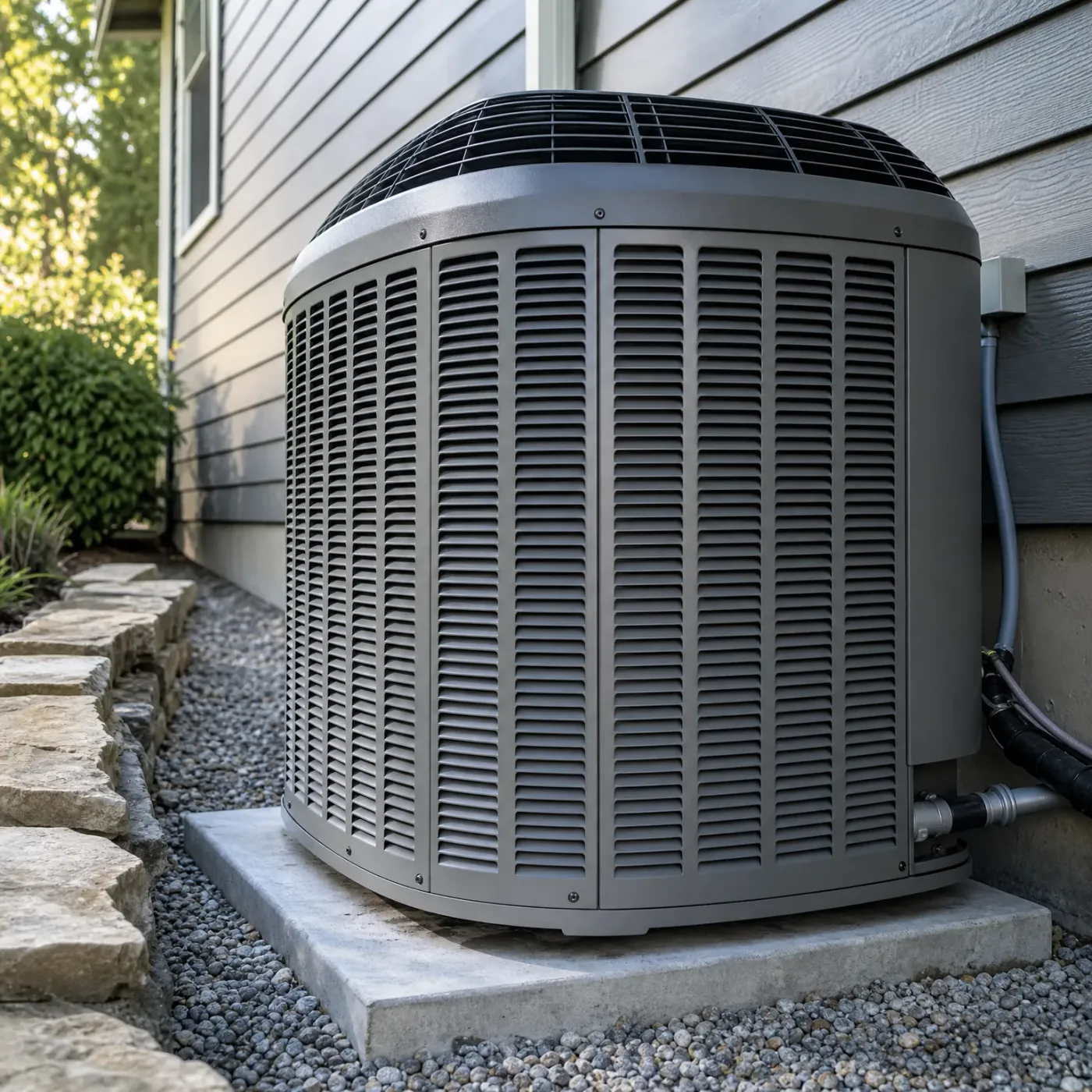
The right pro for this job
Send the form and the search for an installer is over.
A local installer who puts in air conditioners gets your project.
You're not committing to anything by asking.
Is your old AC still worth fixing this summer?
If your outdoor unit is more than ten years old and it's starting to run long on the hot, sticky afternoons Arkansas gets, that's worth paying attention to. A system struggling to keep up will run longer to hit the same temperature, and a low refrigerant charge on an R-410A unit now costs more to top off than it used to. Listen for the compressor cycling more than it used to, or the house feeling warmer than the thermostat says. None of that means the unit is done. But a system pushed hard every summer on refrigerant that keeps getting pricier is one more breakdown away from a repair bill that doesn't make sense anymore.

It's past nine and still warm enough that the box fan in the window is doing nothing but moving hot air around. You're lying on top of the sheets, not under them, listening to the compressor outside cycle on, run long, and shut off again without the room losing that thick, closed-in feeling. The vent by the door is blowing, you checked, but whatever's coming out doesn't feel much cooler than the room itself. Downstairs the thermostat probably says the right number. Up here, in June, with the house holding the day's heat in the walls, it doesn't feel like it.
Repair It or Replace It
Repair the R-410A unit
- A technician can still charge your system with R-410A, since the phase-out only stops new production, not service on what's already running.
- If the fix is something small like a capacitor or a contactor, the refrigerant type has nothing to do with the cost.
- A leak means a recharge, and that bill climbs every year as R-410A supply shrinks and the gas itself gets harder to source.
- Keeping the unit running means you skip the cost of a new system and the work of matching it to your ductwork.
- A repair only buys you time if the compressor and coil are still sound underneath whatever broke.
Install a new R-454B system
- A new system runs on R-454B or a similar blend, so you're not competing for a shrinking supply of old refrigerant every summer after this one.
- Installation means matching the new unit to your home's cooling load, which takes more than swapping one box for another.
- A new compressor and coil come with a manufacturer's warranty, where an aging R-410A unit is on borrowed time either way.
- You're paying for the equipment and the labor now instead of a string of repair bills that get more expensive as R-410A prices rise.
- Electricity runs cheap in Arkansas, so a more efficient new system still shows up on a bill that was already low.
That muggy feeling in Arkansas has a number attached to it. Summer dew points here average 68°F across June, July and August, according to NOAA climate data, and that's the kind of air your AC has to wring moisture out of before the house feels dry. A system that's aging or low on refrigerant can still drop the temperature some and leave the air feeling thick and clammy. If you're running the thermostat lower than you used to just to feel comfortable, or the house feels damp even when it's cool, that's the humidity winning, not the heat.
NASA POWER T2MDEW county cells weighted by homes




Why the new refrigerant costs more upfront
R-454B is mildly flammable, which A2L refrigerants are, so the equipment built around it needs different handling, different line sets in some cases, and technicians certified to work with it. That shows up in the price of a new system before it ever gets installed. It's not a markup for the sake of it. The parts and the training behind them cost more right now because the whole industry just switched over. That gap should narrow as more manufacturers build A2L equipment and more technicians get certified on it, but for this year and next, expect the newer systems to carry a higher price tag than the R-410A units they're replacing.
What stays the same once it's running
Once an R-454B system is installed, it cools your house the same way your old one did. The compressor, the coils, and the thermostat work the same way a reader would expect. Arkansas's electric rates don't change because of what's in the lines, and a correctly sized new system won't run up your power bill just for using a different refrigerant. The difference is mostly upfront, in what the unit costs to buy and who's qualified to install it. After that, the day-to-day experience of living with it, the cool air, the humidity it pulls out of a muggy Arkansas summer, looks the same as before.
Power costs 12.87 cents per kilowatt-hour statewide
At 12.87 cents per kilowatt-hour, running your AC through an Arkansas summer costs less here than in most states. That makes it easier to justify a new system on efficiency alone, since a higher SEER2 unit has more room to pay you back on every bill.
EIA-861 2025 statewide residential average

A technician sizes the new system to your house, not just the old unit's specs.
The old R-410A unit and line set come out first.
New line sets go in, matched to the R-454B equipment being installed.
The system gets charged with refrigerant and tested under a running load.

Where that leaves your AC
R-410A is not disappearing from Arkansas homes overnight. If your system is running well, it can keep running on the refrigerant it already has. What's changed is the math on the other side of a big repair, since a compressor failure on an older unit now competes against refrigerant that costs more every year supply shrinks. That's the decision this whole page has been pointing at: fix what's still worth fixing, replace what isn't.
You don't have to work out which one your unit is on your own. A contractor who knows what R-454B equipment costs to install in a house like yours, and what your specific system is worth repairing, can look at your outdoor unit and tell you straight which side of that line you're on. Once you send the form, that part isn't on you anymore. Someone who handles this for a living takes it from here and reaches out to walk through what your house actually needs.

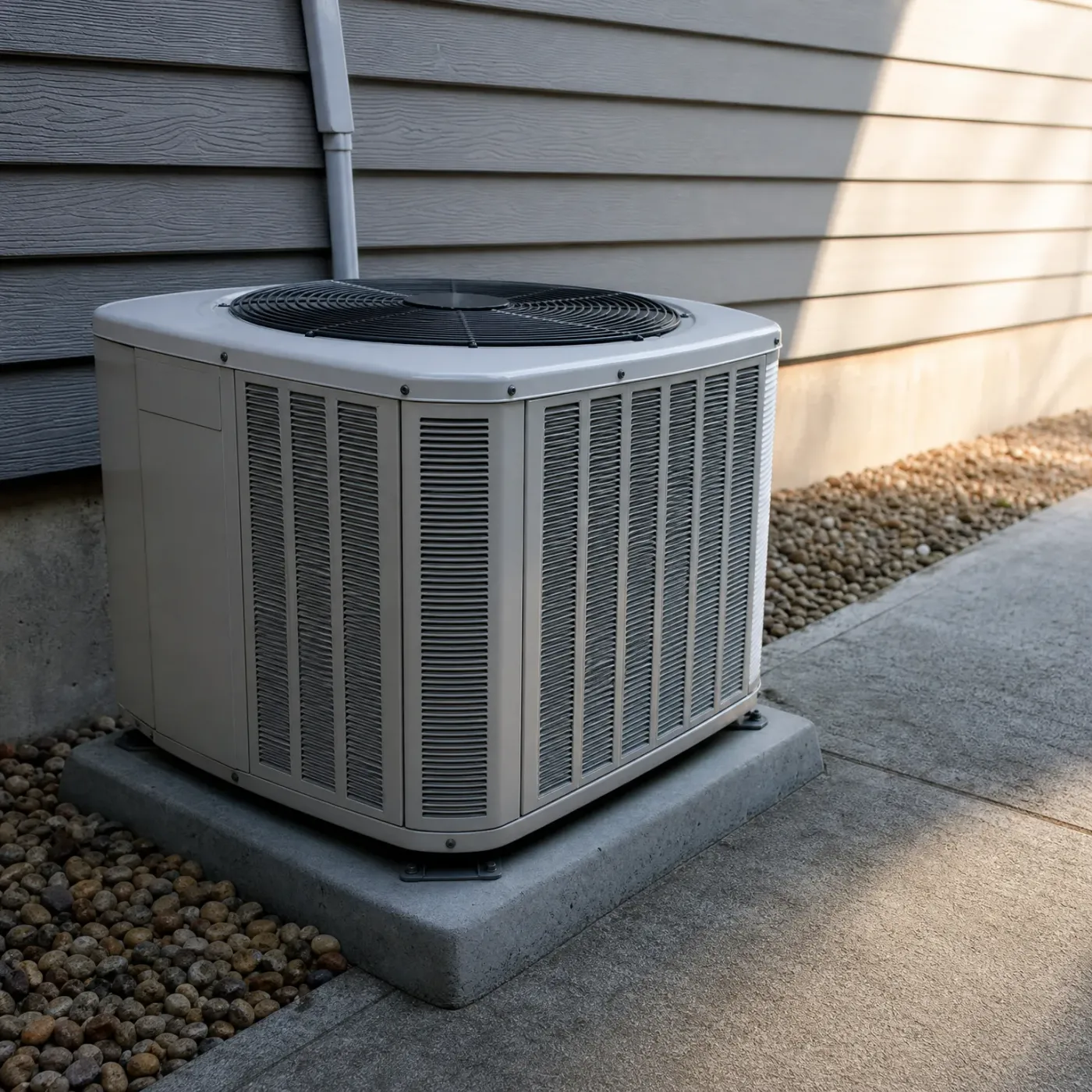
Matched to your air conditioner job
Send the request and finding a pro stops being your problem.
It costs nothing to send, and you don't have to hire anyone.