
Ozark Cooling
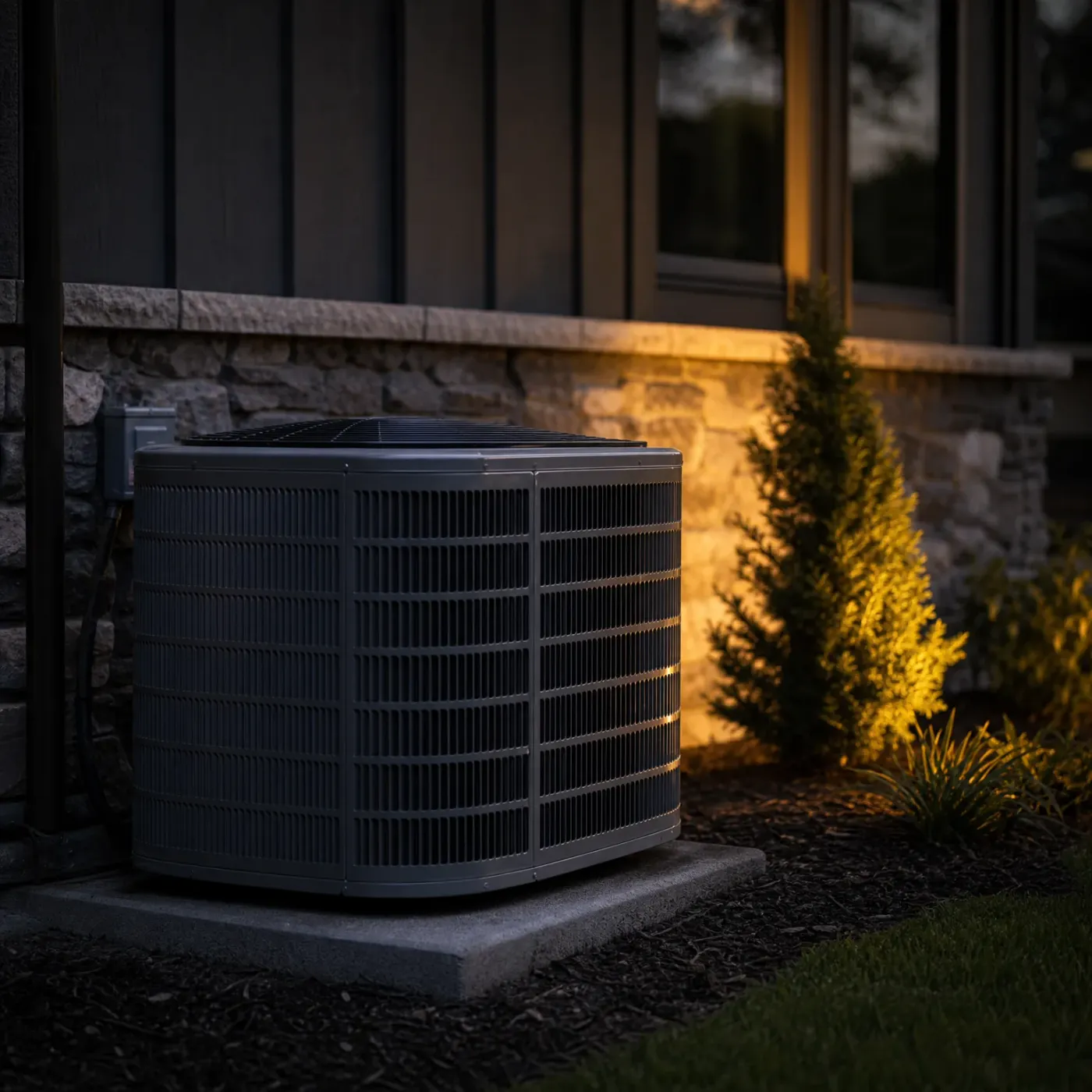
An outdoor air conditioning condenser unit on a concrete pad beside a house with stone veneer and vertical board siding, with a small shrub and mulch bed lit by a ground light at dusk.

Finding a pro stops being your job

Is a variable-speed AC worth it in Arkansas

Variable-speed runs cost more up front than a standard AC, and here that's a real question when humidity is what you're fighting and power is cheap. Below: what a variable-speed unit actually does differently in a muggy climate, and where the math changes. Send the form and skip calling around for quotes yourself.

I'm done searching

A variable-speed AC is worth it in Arkansas if what bothers you is the muggy feel in your house, not just the temperature on the thermostat. A standard AC runs at full blast, cools the air fast, then shuts off, so it pulls out less moisture over the course of a day. A variable-speed unit runs longer at a lower speed, which moves more air across the coil slowly and wrings more humidity out of it. In a place where summer air is thick for months at a time, that difference shows up as a house that feels drier at 74 degrees than it used to feel at 72. Since power is cheap here, the lower electric bill a variable-speed unit can offer is a smaller part of the case than the comfort is. If your furnace runs on electricity too, a variable-speed system paired with it can mean steadier heat in winter as well.

An outdoor air conditioning condenser unit on a concrete pad beside a house with horizontal lap siding, with a gray electrical disconnect box and conduit on the wall, mulch bed and shrub to the right, and mown grass in the foreground.

Single-speed AC, running normal

This is a standard unit doing its job. It kicks on full blast, cools the house fast, then shuts off. On a mild day that's fine. On a muggy July afternoon it means the air inside still feels damp even after the thermostat says you're done.


An outdoor air conditioning condenser unit on a concrete pad beside a house with light blue horizontal siding, with a shrub to the left and a conduit and disconnect box on the wall to the right.

Neglected coils, same single speed

Caked dust on the coil guards makes any AC work harder, but a single-speed unit has no gear to downshift into. It just runs at the one speed it has, straining the whole time, while a variable-speed system would have more room to adjust before trouble shows up like this.

A wooden table in the foreground holds a closed laptop and a ceramic mug of coffee, with a spindle-back wooden chair behind it, a beige wall with paneled wainscoting, a window at left, and a kitchen counter with a cutting board, bowl of fruit and greenery at right.

What this looks like in your house

You notice it on the days the thermostat says 72 and the house still feels wet. That's not the thermostat lying to you, it's a single-speed unit shutting off before it's pulled the moisture out of the air. A variable-speed unit stays on low longer, so the air coming out of your vents has had more time to give up its moisture. You'd feel that as a house that actually feels dry at 74 instead of clammy at 70.

There's a cost side too. Power is cheap here, so a standard AC running longer on a muggy day doesn't hit your bill the way it would somewhere with higher rates. That's part of why this isn't a simple yes for every house. If you want a straight answer for your situation instead of weighing it yourself, you can send in your details once and skip the part where you call around to three or four companies, explain the same thing each time, and try to compare quotes that aren't written up the same way.

A living room corner with a beige sofa and cushion, a round wooden coffee table holding a pale ceramic vase of eucalyptus stems and a wooden bowl, and a curtained window with a potted plant above a latticed radiator cover in the background.
A gray outdoor air conditioner condenser unit on a concrete pad beside a house with horizontal siding, with an electrical disconnect box and conduit on the wall behind it.

Why humidity needs long, slow runs

A single-speed AC cools the air faster than it dries it. The thermostat shuts the unit off as soon as the air temperature drops, often before much moisture has condensed on the coil. A variable-speed unit can hold a low speed for an hour or more without overcooling the house, and that longer runtime is what pulls the water out of the air. Arkansas summers give that slow run plenty of work to do.

An outdoor air conditioner condenser unit on a concrete pad beside a house with horizontal lap siding, with a gray electrical disconnect box and conduit on the wall, grass in the foreground and a plain light wall at left.

What the electric bill doesn't show

Power here is cheap enough that the kilowatt-hour cost of running longer at low speed doesn't add up to much. A variable-speed compressor draws less power at partial speed than a single-speed unit draws at full blast, so the extra hours it runs don't cost what you'd expect. The bigger cost difference between the two systems is the install, not what shows up on your electric bill every month.

How does a variable-speed AC actually keep humidity down?

You keep hearing that a variable-speed AC handles humidity better, but nobody explains what the unit is actually doing differently while it runs. You want to know the mechanics before you decide it's worth the extra cost, since here that extra cost is a real question when power is cheap and the thing you're fighting is the muggy feel, not the temperature itself.

It runs slower and longer, so air passes over a colder coil for more of the hour

A variable-speed compressor doesn't jump straight to full capacity. It ramps up gradually and often settles in at a low percentage, something like 30 to 50 percent of full output, and stays there for long stretches instead of shutting off. Air moving slowly over the coil sits in contact with it longer, so more water vapor condenses out before that air ever reaches your living room. A single-speed unit's coil only gets that cold right at startup and shutdown. The variable-speed coil stays cold the whole time it runs, which is most of the afternoon on a muggy day here. That's the mechanical difference, and it's why the air can feel drier at the same thermostat setting.

  1. The thermostat calls for cooling and the compressor starts at low speed.

  2. Air moves slowly over the coil so moisture has time to condense.

  3. The compressor holds that low speed as long as the temperature allows.

  4. It only ramps up to full speed if the house can't keep pace.

A gray outdoor air conditioning condenser unit on a concrete pad beside a house with horizontal siding and a stone veneer base, with refrigerant line and electrical disconnect box on the wall and flowering shrubs to the left.
A clean unit with good airflow around it holds its charge and its coil stays able to pull moisture out of the air all summer.
An outdoor air conditioner condenser unit on a concrete pad beside a house with light gray horizontal siding, with mulch and green shrubs on either side and a concrete walkway in the foreground.
Dirt packed into the fins and years of wear make the unit run longer and still leave the house feeling damp.
A man in a gray sweater reclines in a brown leather armchair with his eyes closed, beside a wooden side table holding a mug, a folded newspaper and a potted plant, with a bookshelf and sunlit window behind him.
A man with greying hair and a dark sweater leans back on an armchair with his eyes closed and a slight smile, in a living room with a bookshelf, plant, folded newspaper and mug on a wooden table.
A man in a gray fleece jacket sits reclined in a leather chair with his eyes closed, in a room with bookshelves, a table lamp, a window, and a desk holding a folded newspaper and a dark mug.
A bearded man in a gray fleece pullover sits with eyes closed in a brown leather armchair in a living room, with a floor lamp, bookshelf, potted plants, a side table holding newspapers and a dark mug, and a bright window behind him.

Let someone else find the pro

You've read what a variable-speed unit does on a muggy Arkansas afternoon, and the question left is whether it's worth doing in your house. That's a decision about your own equipment, your own ductwork, what your house has been doing to you every July. A contractor who's looked at your system can tell you in a way nothing on this page can. Getting to that point usually means calling around, explaining the same thing to three or four companies, waiting on quotes, trying to compare them against each other without knowing what you're comparing. Send the request here and that work is off your plate. You're not left holding a list of names to call or a stack of estimates to sort through. Someone who installs these units gets your information and takes it from there. You still live with the humidity until it's done, but you stop carrying the job of finding who's going to fix it.

Power here is cheap, so the hours a variable-speed unit adds running at low speed don't show up as a heavy cost on the bill.

What you're paying for is the house feeling dry at 72 instead of damp at 72, and that only matters if the damp feeling is what's been bothering you.

Power costs 12.87 cents per kilowatt-hour statewide

At 12.87 cents a kilowatt-hour, running a variable-speed unit longer at low speed doesn't push your bill up much. The extra hours it spends drying the air cost closer to what a single-speed unit costs cycling on and off, not more.

EIA-861 2025 statewide residential average

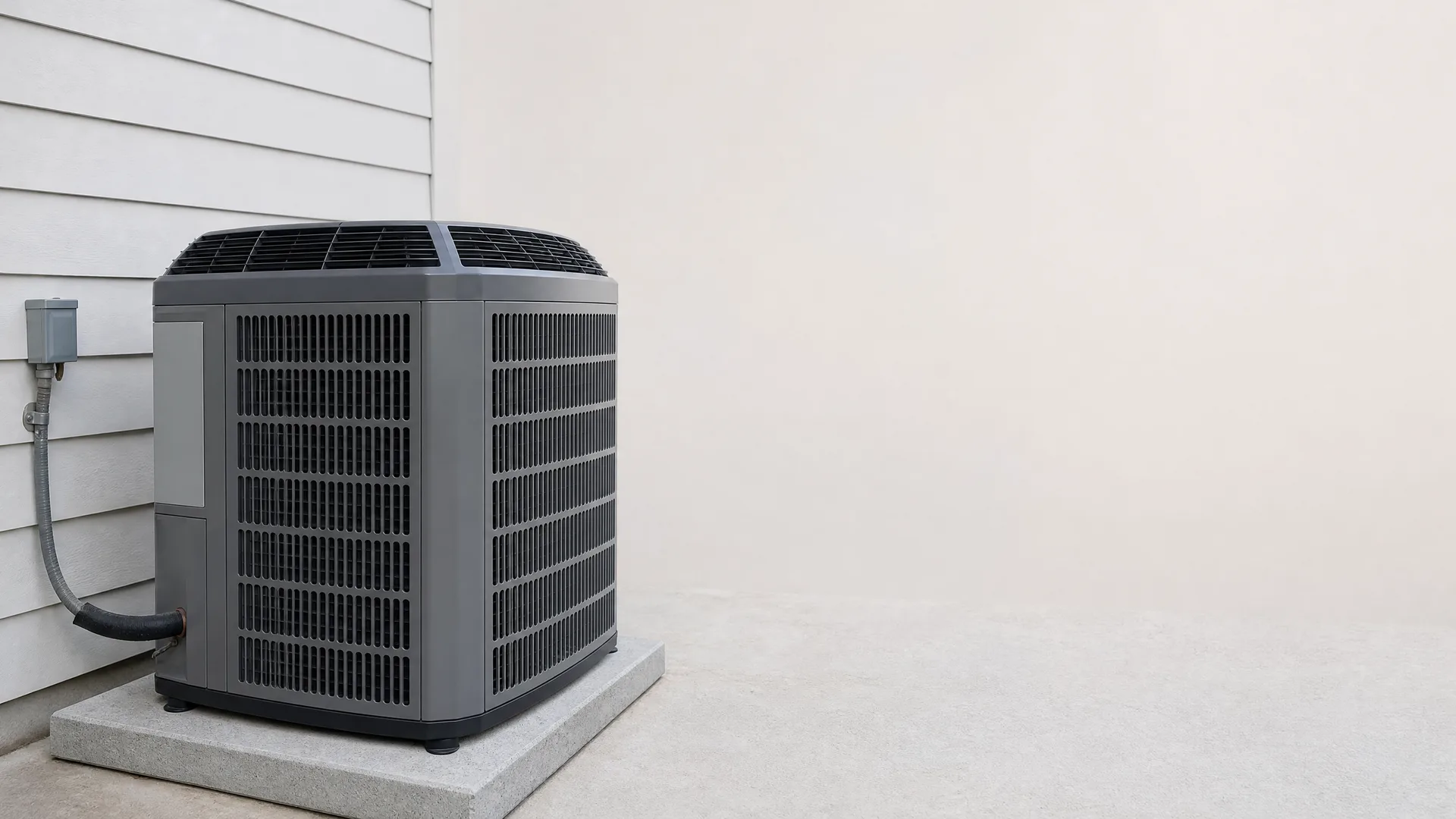
A weathered outdoor air conditioning condenser unit on a concrete pad beside a house with light horizontal siding, an electrical disconnect box and conduit on the wall, and mulched soil on either side.
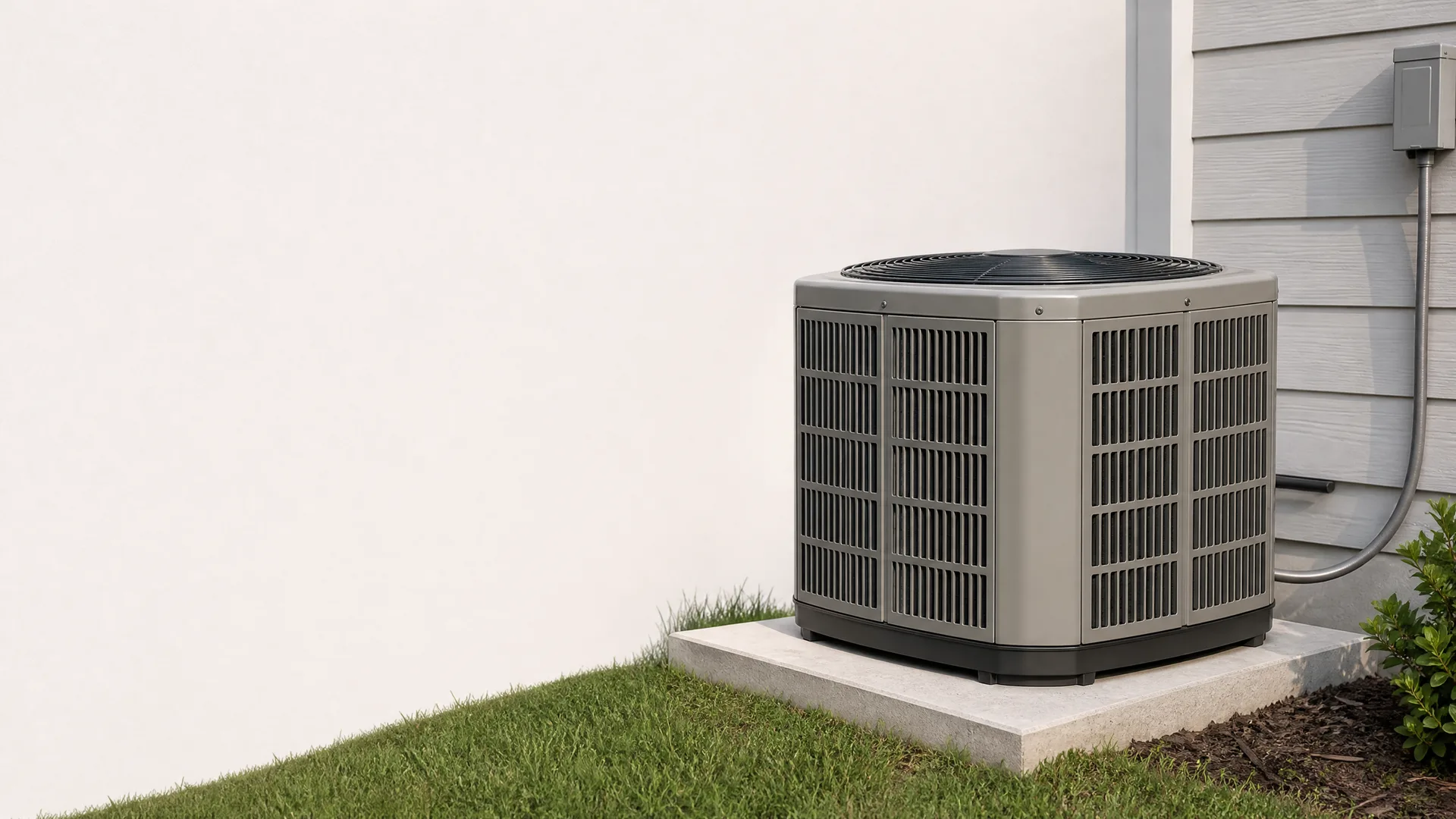
Before you get your air conditioner installation
A gray outdoor air conditioner condenser unit on a concrete pad beside a house with horizontal vinyl siding, surrounded by mulch, flowering shrubs, and lawn.
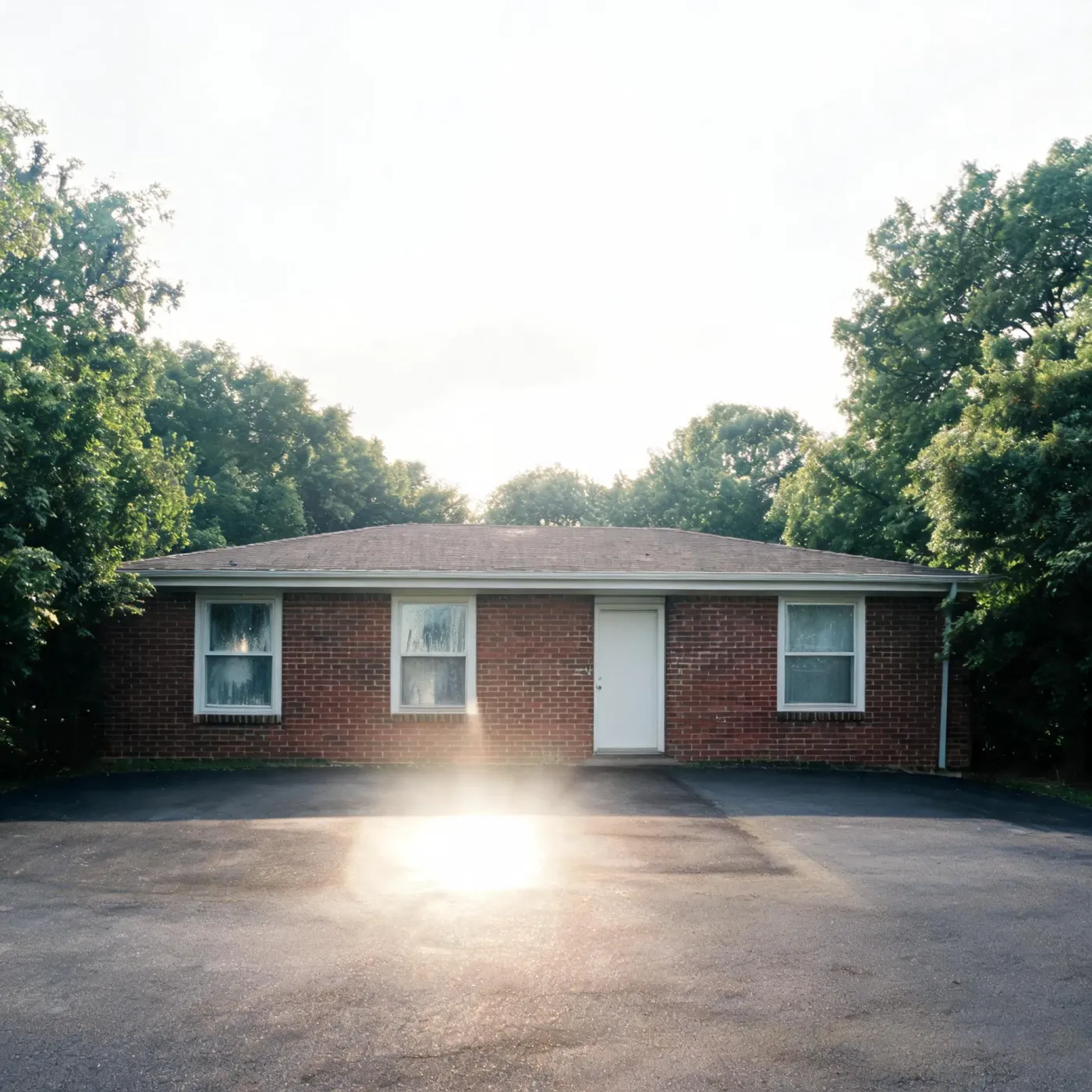
After you get your air conditioner installation
A single-story red brick house with a white door and three white-framed windows, fronted by an asphalt parking area with sun flare, surrounded by green deciduous trees under a bright hazy sky.

The average summer dew point across Arkansas is 68°F, according to NOAA climate data. That's the number that matters more than the temperature on your thermostat. At 68, the air holds enough moisture that your skin stays damp even standing still indoors. Your air conditioner feels this every time it runs. A unit that cools fast and shuts off doesn't get much chance to pull that moisture out, so the house can read 72 degrees and still feel wet. That's the dew point talking, not a broken thermostat.

NASA POWER T2MDEW county cells weighted by homes

Standard AC vs. Variable-Speed AC

Standard AC

  • Cools the house fast, then shuts off once the thermostat is satisfied, so it spends less total time running.
  • Costs less to install, which matters if you're weighing this against other things the house needs.
  • Pulls moisture out of the air only while it runs, so a short cycle on a muggy day leaves a lot of that moisture behind.
  • Works fine on milder days when the air isn't carrying much moisture to begin with.
  • Parts and repairs are generally simpler and more familiar to most contractors, since the unit has fewer stages to diagnose.

Variable-speed AC

  • Runs longer at a lower speed instead of shutting off right away, so it has more time to pull moisture off the coil.
  • Holds the house at a steady temperature without the on-off swings a standard unit produces.
  • Costs more upfront, and that gap doesn't close through lower power bills here the way it might somewhere with expensive electricity.
  • Keeps working at low speed through most of a muggy Arkansas afternoon instead of maxing out and cutting off.
  • Makes sense specifically if the damp feeling at 72 degrees is the problem you're trying to solve, not just the number on the thermostat.
A gray-haired man with a beard in a blue button-placket shirt reclines on a couch with his eyes closed, beside a sunlit window with a green plant.
A woman in a cream knit sweater sits in an armchair with her eyes closed near a window showing yellow autumn foliage, with a mug on a round wooden side table beside her.

Where this leaves you

  • A variable-speed AC is worth the extra install cost in Arkansas if the damp feeling at 72 degrees is what's been bothering you, not just the number on the thermostat.
  • The long, slow runs that pull moisture out of the air cost close to what a single-speed unit costs cycling on and off, since power here runs 12.87 cents a kilowatt-hour.
  • A standard AC still cools the house fine on mild days, and costs less to install, which matters if other work on the house is competing for the same money.
  • Whether it's worth it in your house depends on your ductwork and how your current system has handled past Julys, not on what it does in a showroom.
  • Sending the form means you stop having to call around and explain the same problem to every contractor you find on your own.

The answer comes down to what's actually bothering you. If the house feels damp at 72 every July, a variable-speed unit is built to fix that specific problem, by running longer at low speed instead of blasting the air cold and shutting off. If what bothers you is just the temperature and the house cools fine once the thermostat is satisfied, a standard AC does that job for less money up front. Power here is cheap enough that the extra hours a variable-speed unit runs won't show up as a real burden on your bill, so the install cost is the actual question, not the operating cost. None of that tells you what your house needs. Your ductwork, how your current system has handled past summers, whether it's kept up or left you sticky on mild days, that's specific to your home and not something a page like this can answer for you. A contractor looking at your actual system can tell you whether the upgrade makes sense there. What a contractor adds here isn't a changed answer, it's someone checking it against your house instead of leaving you to guess. Getting there usually means calling around, repeating the same description of the problem to each one, then sitting with a stack of quotes trying to compare units that aren't quite the same. Sending the form here skips that part. You explain it once, and the rest of the search stops being something you have to manage yourself.

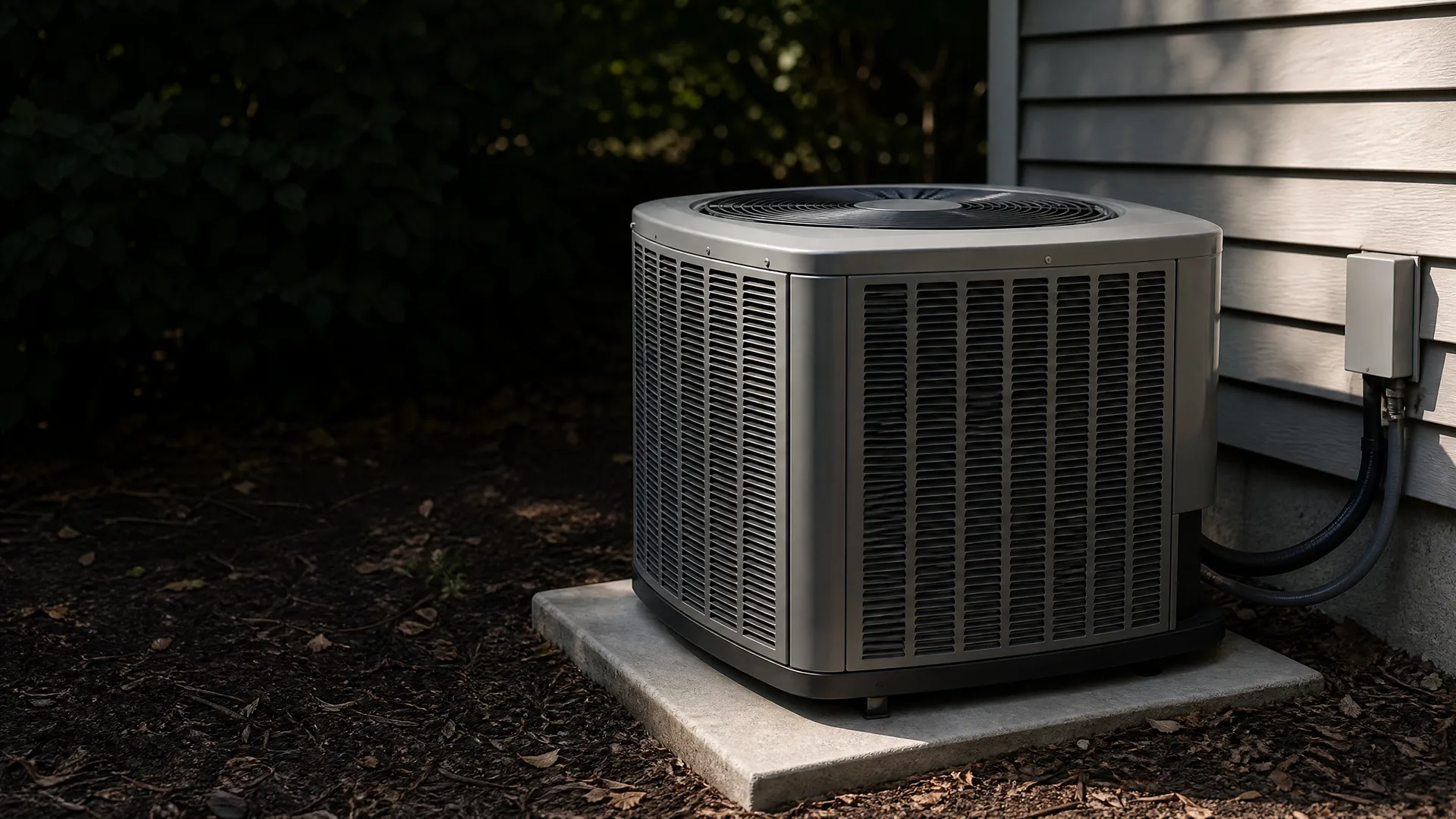
An outdoor air conditioner condenser unit on a concrete pad beside a house with horizontal lap siding, with an electrical disconnect box and conduit on the wall and dark mulch and shrubs around it.

One request and it's handed off

Step 1 of 3: Equipment