

AC running normally
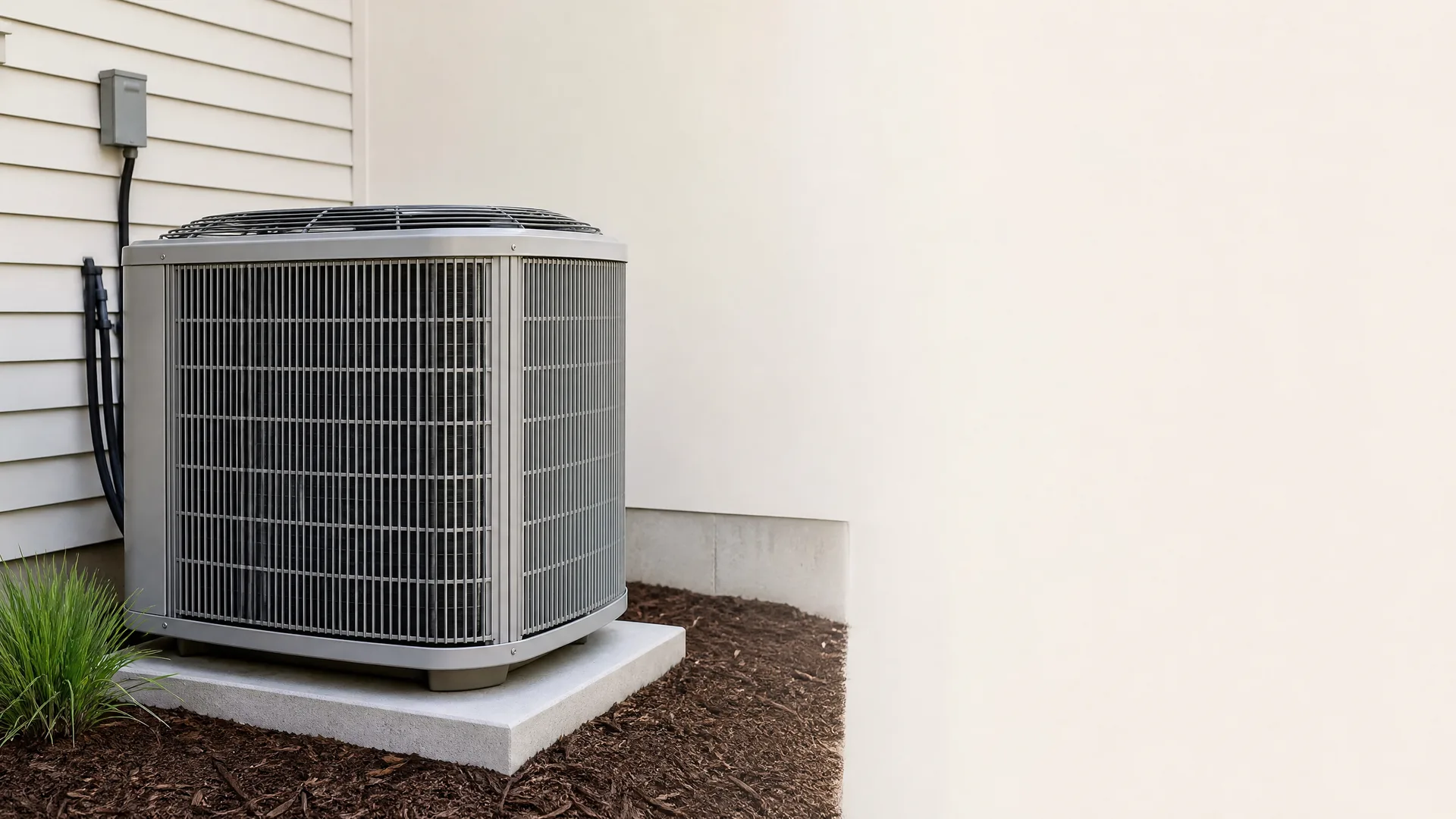
This is what the unit looks like when the breaker holds. The condenser fan spins, the coil stays clear, and the compressor draws steady current without strain. Nothing on the pad or the disconnect box needs attention.
Get matched with a pro who works on air conditioners in Washington County.
Request a proA breaker that trips every time the AC starts is telling you the compressor is pulling more current than the circuit allows. Usually that means the compressor is struggling: a dirty condenser coil outside, a weak capacitor, or a low refrigerant charge can all force the motor to draw harder than it should. Sometimes it's simpler than that, a breaker worn out from years of heat cycling, or a wire connection gone loose in the outdoor disconnect box. If it happens once, it might be heat and dust built up on the outdoor unit. If it happens every time you turn the system on, something electrical in the unit itself is failing, and running it that way risks the compressor, which is the most expensive part of the whole system. Either way, this isn't something to keep resetting and hoping it stops. A unit that trips its breaker needs to be looked at before the next hot stretch asks more of it.




The condenser coil outside sheds the heat your AC pulls out of the house. When it's caked with cottonwood seed, grass clippings, or dust, the compressor has to work harder to push heat through it. That extra load shows up as extra current on the circuit. A coil that looks grey or matted instead of clean metal fins is doing less work than it should, and the compressor is paying for it every time the unit starts.
The start capacitor gives the compressor motor a jolt to get it turning, then the run capacitor keeps it turning smoothly. A capacitor that's weakened doesn't fail outright, it just stops giving the motor enough help, so the motor draws more amperage trying to start against a load it can't quite overcome. That's a part a contractor can test with a meter in minutes, reading its capacitance against what's stamped on the side.
Notice when it happens. A breaker that trips a few minutes after the AC starts, once the house has had a chance to cool some, points to the compressor overheating as it runs. One that trips the instant the unit kicks on points somewhere else, often a short. You might hear the outdoor unit humming or clicking before it cuts out, or notice the air coming through the vents isn't as cold as it was. If this keeps happening and gets ignored, you're looking at a compressor that wears out faster, and a unit that может quit altogether during a stretch of 90-degree days when the house needs it most.
This is what the unit looks like when the breaker holds. The condenser fan spins, the coil stays clear, and the compressor draws steady current without strain. Nothing on the pad or the disconnect box needs attention.

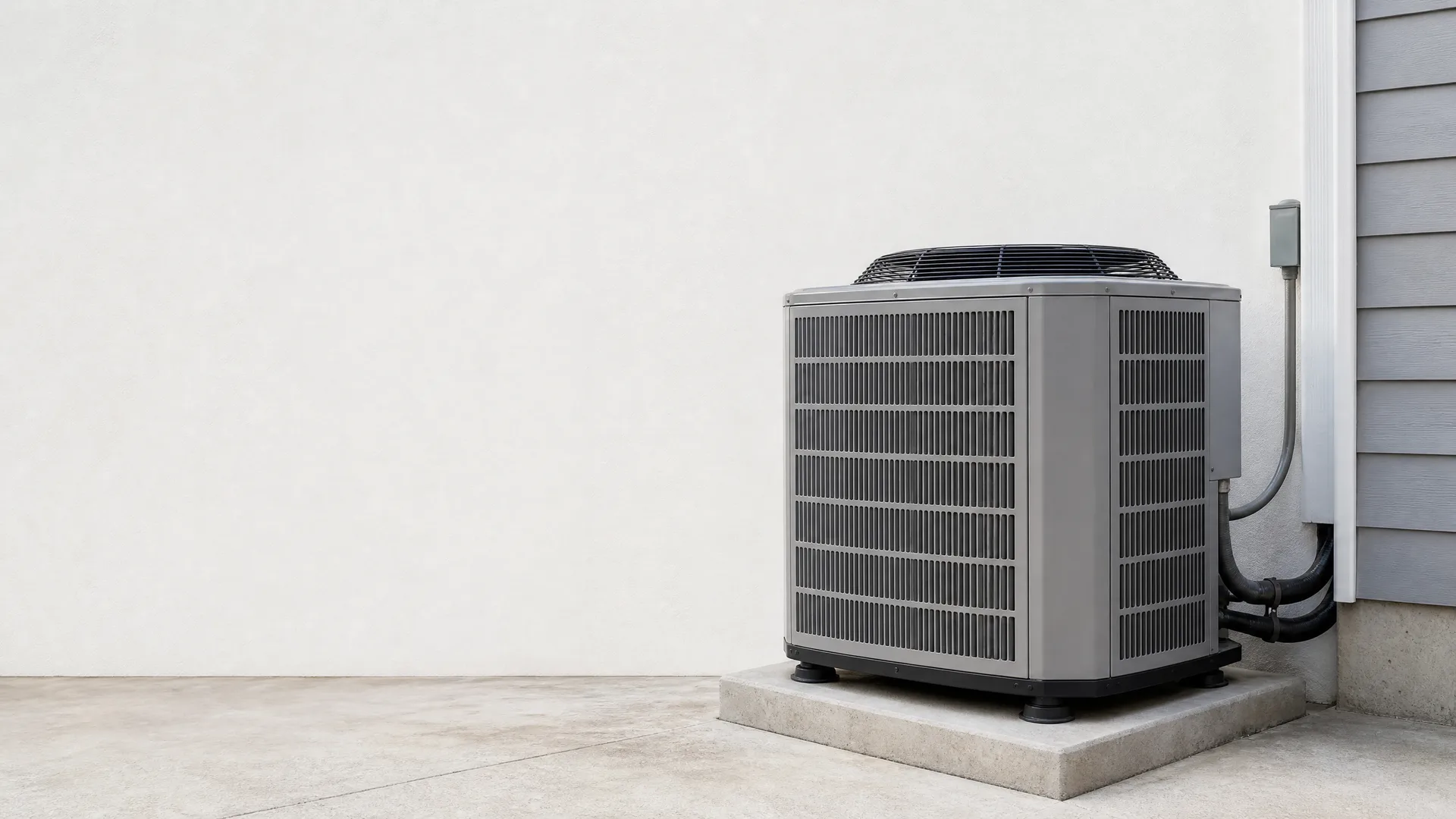
This is the same kind of unit when something's wrong inside it. It may start, run a few seconds, then cut out and trip the breaker again on the next attempt. A contractor can check the compressor, the capacitor, and the wiring at the disconnect to find out why.


Explain the air conditioner problem once instead of to every shop in Washington County.
No charge to send it. You decide if you hire them.

This condenser cycles on and holds the breaker without a fight. The fan spins freely, the coil fins are clean, and the refrigerant lines running to the disconnect carry a steady charge. Nothing here is forcing the compressor to draw more than the circuit can handle.

Weathering like this often comes with a coil packed full of debris or a compressor that's been pulling hard for a while. The disconnect box and lines along the foundation are worth a look too, since a loose connection or corroded wire can trip a breaker just as easily as the compressor itself.

The compressor is a sealed pump, and it draws the most current in the first second it starts, before the motor builds up speed. That start-up draw is normally handled by a start capacitor, which gives the motor a quick push and then steps back. If the capacitor has weakened, the compressor strains through that first second instead of gliding through it, and pulls enough extra current to trip the breaker. A dirty outdoor coil or low refrigerant charge works the same way, just later in the cycle, by making the compressor push harder the whole time it runs.
None of this is something you can see from the disconnect box or the breaker panel. It takes someone checking the capacitor's rating against what it's actually putting out, reading the refrigerant pressures, and watching the compressor's amp draw against what the nameplate says it should be. Getting matched with a contractor who works on the equipment you have means skipping the part where you're on the phone describing a tripped breaker to three different companies and hoping one of them has an opening this week.

Four months of cooling a year still means the compressor cycles on and off all day long once June hits. Every one of those starts draws a hard pull of current, and a unit already working against a dirty coil or a tired capacitor will trip the breaker on one of them.
NOAA nClimDiv 1991-2020
The breaker is doing its job. It trips because the compressor is asking for more current than the wire can safely carry, and something inside the unit is causing that. A dirty coil makes the compressor push harder. A weak capacitor can't give the motor the jolt it needs to start clean. A low refrigerant charge makes the whole system work against itself. Which one it is usually comes down to timing: trips right at startup point toward the capacitor or a short, trips a few minutes in point toward the compressor overheating as it runs. You can reset the breaker and get the AC running again for a while, but until the actual cause gets found, it will trip again, probably on a hotter day when you need it most. Washington County summers mean the compressor is starting and stopping all day long, and every one of those starts is another chance for a weak part to give out. Finding a contractor who'll actually look at the capacitor, the coil, and the wiring instead of just guessing takes time most people don't have when their AC is down. There's no need to call around, explain the tripping breaker to three different shops, and sort through quotes that don't tell you the same thing. Answer a few questions about what the unit is doing and a contractor who covers your area will reach out directly.

Skip calling shops to ask who repairs air conditioners in Washington County.
